

Should You Clean Out Microwave With Rubbing Alcohol
There is much debate amongst the vinyl community around the use of alcohol to make clean vinyl records. Isopropyl alcohol, in particular, is popular with many collectors as a key ingredient in homemade tape cleaning solutions. But is it condom? Some collectors swear past it, others warn of potential hazards. To assistance shed some light on the topic, nosotros've done a little further digging.
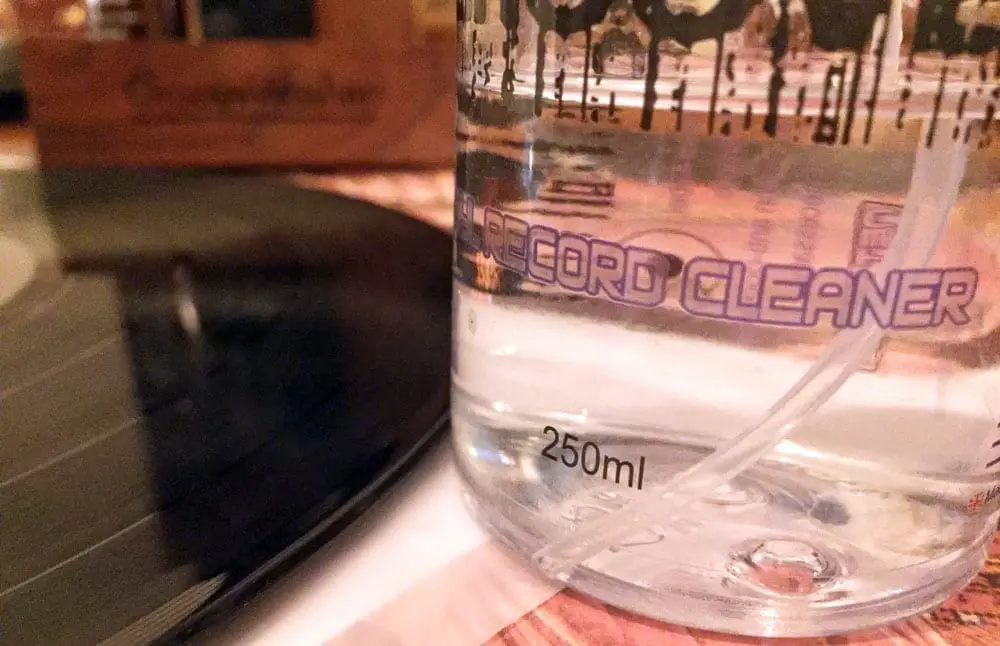
Many cleaning product manufacturers err on the side of circumspection when considering alcohol equally a record cleaning ingredient. In our previous interview with GrooveWasher founder, Steve Chase, he explained why the creator of the original 1970'south Discwasher, Dr Bruce Maier stayed articulate of loftier amounts of iso booze when cleaning vinyl records. "Dr Maier cautioned against fluids with high concentrations of iso alcohol," explains Steve. "He stated that iso alcohol can remove plasticizers from the vinyl and make the groove brittle. Our G2 Fluid does not contain whatever iso alcohol. Some experts take pride in using high iso alcohol to clean their records. But it is not an effective hard surface cleaner. It evaporates besides apace to remove the contaminants. Endeavor cleaning whatever hard surface with booze and y'all will see how poor a cleaner it is. The grime dries dorsum onto the surface before you can wipe it abroad."
GrooveWasher'southward concerns about isopropyl alcohol are besides shared by the manufacturers behind the popular Disc Doctor, who state on their website that iso alcohol can "…dissolve shellac surfaces, and cause the leaching of plasticizers from constructed plastic pressings making them brittle and field of study to backlog wear." They don't rule out alcohol entirely, however, calculation, "Methyl booze should too exist avoided; undenatured ethyl booze concentrations must be kept to a minimum."
Knowing that GrooveWasher contains a small amount of alcohol (just not iso alcohol), I asked Steve Hunt to elaborate further. "The alcohol version we apply dries a little slower than iso, with almost the same solvent and miscibility characteristics", he explains. "The first concern with a cleaning solution is to do no harm. Yous can clean a frail hard surface, like a vinyl record or shellac finished wood table, with a high alcohol glass cleaner, but you may destroy the object in the procedure. Why try to kill a fly with a hammer?! Equally an abundance of circumspection, one should have a bias toward a less powerful cleaning solution that may require multiple cleanings, instead of a powerful, possibly damaging fluid."

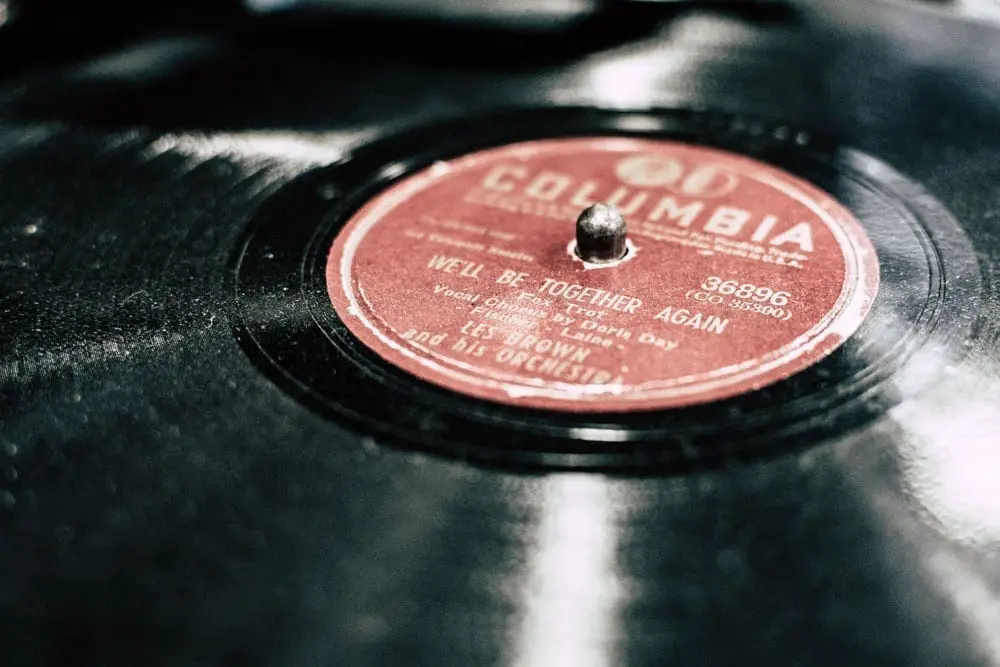
Despite business concern from many record cleaning manufacturers, there are plenty of advocates for the use of iso alcohol. One commentator from the now defunct website record-cleaner.co.united kingdom wrote with confidence, challenge that isopropyl alcohol is safe. In short, "Well-nigh all records are fabricated from Vinyl (polyvinyl chloride) which has excellent solvent resistant properties. The chance of isopropanol in any dilution causing a reaction is theoretically impossible."
Our master commentator, Steve is aware of these arguments and was quick to solidify their position. "One argument I've seen on the sound forums is the claim that high alcohol doesn't harm the PVC vinyl that makes upwardly the majority of the ingredients in record vinyl. Nevertheless, just because PVC vinyl is resistant to iso doesn't mean we should select information technology equally a cleaning ingredient. The record may look clean just has the dirt dried back in the grooves?"

"When we experimented with the chemical families that Dr Maier used for his Discwasher record cleaning fluids, we found reaction tables for PVC vinyl, like this ane. As y'all can meet, isopropanol doesn't react with PVC. Add acetic acid to it, nevertheless, and it melts PVC!"

"Given the option, we decided not to employ isopropanol. It smells similar a hospital and dries too fast, from our experiments, compared to the alternatives. We use a small amount of alcohol (non-iso) in our G2 Fluid and SC1 Stylus Cleaning Fluid, mainly equally a blending agent. All of the ingredients in our fluids are h2o-loving and blend rapidly. The combination works well."
The smell of an alcohol-rich cleaner is rather unpleasant, as I was reminded when recently excavation out an old container of Clear Groove, which has a much higher quantity of alcohol than GrooveWasher.
The most alarming claim about iso-alcohol is that it tin can remove the "protective coating" of the groove. And then while they might audio better at offset, at that place is reportedly a risk that repeated use can irreversibly harm the groove.
However, when I dug deeper to find information on this supposed protective layer, I couldn't detect much information, annihilation I did find seemed to propose that it'due south a myth. There's a skilful chance, I would say, that what they really hateful hither is the removal or leaching of plasticizers, every bit per Dr Bruce Maier's research. Regardless, fears of iso booze's result on the vinyl record surface are fairly widespread, but despite these concerns, the cyberspace (and the market for that matter) is awash with cleaning solutions that incorporate iso alcohol, frequently in quite high quantities.
Steve Chase added further comment on DIY cleaning, suggesting that while it might be rubber when used sparingly, it's non GrooveWasher'south preferred or recommended approach. "Isopropyl alcohol, in low concentration to total volume, appears to be safe to utilise on vinyl records", explains Steve. "We don't like information technology. Just it is very popular with DIY record cleaning fluid makers. Some of the recipes we take seen are pretty scary. Again, nosotros choose to use an abundance of caution with our records."
So is it ok to make clean vinyl records with booze?
The debate surrounding alcohol and vinyl records will go on for many years to come up. I would love to be able to give yous a decisive conclusion to this article, only the truth is, it'southward difficult to draw a precise resolution one style or another.
I would say that while there seems to be a solid argument for isopropyl alcohol in lower quantities, erring on the side of caution seems sensible in the longer term. I would echo Steve's preference for a moderate approach that might crave you lot to repeat the process, rather than a heavy-handed approach that may pose some risk.
There appears to be some danger should the iso booze mix with any acerb acrid, and given that acetic acrid is found in vinegar, that lone presents some opportunity for problems (believe information technology or non there are some folk out there who will advocate cleaning vinyl records with vinegar. Crazy).
If you do decide to use isopropyl alcohol every bit part of your cleaning process, I would at least recommend rinsing the record subsequently with distilled water to wash away whatever remnants left behind. In the instance of shellac records, of form, alcohol-based record cleaners are a huge no-no.

Source: https://www.yoursoundmatters.com/is-it-safe-to-clean-vinyl-records-with-alcohol/
Posted by: pricedres1987.blogspot.com
0 Response to "Should You Clean Out Microwave With Rubbing Alcohol"
Post a Comment